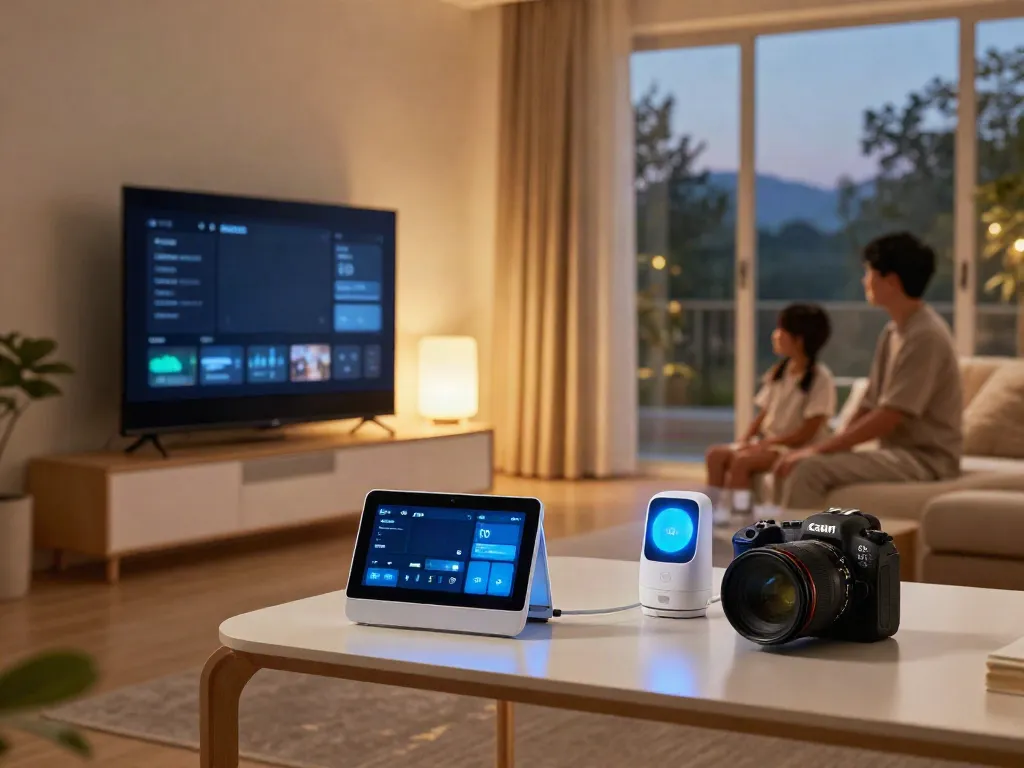
The Rise of Smart Homes: Understanding the Market
In recent years, the concept of smart homes has rapidly gained traction, transforming the way we interact with our living spaces. A smart home integrates technology to enhance the convenience, efficiency, and security of daily living. With the increasing availability of smart devices and systems, homeowners can now control various aspects of their homes—from lighting and security to climate and entertainment—through their smartphones or voice commands. As we look ahead to 2026, the market for smart home technologies is anticipated to continue its exponential growth, driven by advancements in IoT (Internet of Things) and a greater awareness of energy efficiency. For those considering the transition to a modern living environment, خانه هوشمند جهان اسمارت offers a wide variety of products and solutions to help simplify and enhance your lifestyle.
What is a Smart Home?
A smart home is defined as a residence equipped with technology that allows for remote management and monitoring of systems and appliances. This includes lighting, heating, air conditioning, and even security systems that can be controlled via the internet. Smart homes leverage devices that can communicate with each other and with users through smartphones, tablets, or voice assistants. Essentially, a smart home creates an ecosystem where various technologies are interconnected, leading to a more seamless living experience.
Market Trends for Smart Home Technologies in 2026
As we approach 2026, several key trends are shaping the smart home market:
- Increased Adoption of Voice-Controlled Devices: With advancements in artificial intelligence and natural language processing, voice-activated devices are set to become even more prevalent, making it easier for users to interact with their home systems.
- Focus on Energy Efficiency: More consumers are seeking smart products that promote energy savings, driving demand for smart thermostats, energy-efficient appliances, and automated lighting solutions.
- Integration of AI and Machine Learning: Future smart home technologies will increasingly incorporate AI to personalize user experiences, enabling systems to learn from user behaviors and preferences.
- Enhanced Security Features: As concerns around security grow, innovations in smart locks and surveillance systems that utilize biometric identification and real-time monitoring will become standard.
Benefits of Incorporating Smart Products
The decision to adapt a smart home presents numerous benefits, including:
- Convenience: Control various systems from anywhere using a smartphone or voice command, allowing for easy management of home environments.
- Energy Savings: Smart devices optimize energy consumption, helping reduce utility bills and minimize environmental impact.
- Enhanced Security: Smart security systems provide real-time alerts and remote monitoring capabilities, improving home safety.
- Increased Property Value: Homes equipped with smart technology are often more attractive to potential buyers, potentially increasing resale value.
Innovative Products Leading the Smart Home Revolution
The smart home market features a range of innovative products that enhance the interconnected living experience. Understanding these products is crucial for homeowners looking to upgrade.
Key Smart Audio Systems and Their Features
Smart audio systems allow for seamless integration of sound devices throughout the home. Systems such as multi-room speakers and smart soundbars offer users the ability to control audio playback from anywhere. Popular products include:
- Sonos One: A voice-controlled smart speaker that offers rich sound quality and can be paired with other Sonos devices for a multi-room audio experience.
- Amazon Echo Studio: Combines smart home hub functionality with high-fidelity sound, allowing for a unique listening experience while controlling other smart devices.
Smart Lock Solutions: Enhancing Home Security
Smart locks enhance home security by providing keyless entry options and remote access control. They also enable homeowners to monitor access to their homes through their smartphones. Notable smart lock products include:
- August Smart Lock: Allows users to retrofit existing deadbolts with smart technology, enabling remote locking and unlocking capabilities.
- Schlage Encode: This smart lock features built-in Wi-Fi for direct control without the need for additional hubs.
Integrating Smart Lighting for Energy Efficiency
Smart lighting contributes not only to ambiance but also to energy savings. By using LED bulbs in combination with smart controls, homeowners can reduce energy consumption significantly. Featured products include:
- Philips Hue: Offers a wide range of color and white light options that can be customized and controlled via smartphone app.
- LIFX Bulbs: Wi-Fi-enabled smart bulbs that require no hub and can be controlled through voice assistance or an app.
How to Transition to a Smart Home
Transitioning to a smart home can seem daunting, but it can be approached in a step-by-step manner to ensure the process is smooth and effective. Here are actionable steps to guide you:
Step-by-Step Guide to Smart Home Installation
- Assess Your Needs: Identify which areas of your home would benefit most from smart technology, such as security, lighting, or climate control.
- Research Technologies: Explore different smart home products and solutions that fit your needs and budget.
- Start Small: Begin with a few devices (like smart bulbs or a smart speaker) and gradually expand your system over time.
- Ensure Compatibility: Check that the smart devices you choose are compatible with each other and with your existing home systems.
- Seek Professional Installation: For complex systems, consider hiring professionals to ensure a seamless setup.
Common Challenges and How to Overcome Them
Transitioning to a smart home may come with challenges such as device compatibility, technical complexities, and cost considerations. Here’s how to tackle them:
- Compatibility Issues: Ensure all devices are compatible with your chosen ecosystem (like Apple HomeKit or Google Home) to prevent connectivity issues.
- Technical Glitches: Regularly update your devices and software to ensure optimal performance and security.
- Budget Constraints: Plan your smart home purchases strategically; consider starting with essential devices and expanding as budget allows.
Budgeting for Smart Home Upgrades
Creating a budget for smart home upgrades is crucial. Here’s how to manage financial planning:
- Identify Priorities: Determine which smart devices will offer the most benefit and prioritize purchasing these first.
- Look for Bundled Offers: Many manufacturers offer discounts on packages that include multiple smart devices.
- Evaluate Long-Term Savings: Consider the potential savings from reduced energy consumption when choosing smart appliances.
Real-World Applications: Success Stories
Success stories illustrate the tangible benefits smart home technologies can offer to various environments. Here are notable applications:
Case Study: Smart Home Implementation in Residential Projects
A residential project in a suburban neighborhood integrated various smart products, resulting in enhanced security and energy savings. Homeowners reported a 30% decrease in overall energy costs and an increase in home security, thanks to the installation of smart cameras and lights.
Commercial Smart Solutions: Benefits and Insights
In commercial settings, smart technologies have improved efficiency and reduced operational costs. Smart thermostats and lighting systems have helped businesses achieve optimal energy usage, leading to significant savings on utility bills.
User Testimonials on Smart Home Benefits
Users have praised the convenience of smart home technologies, highlighting the ease of controlling home systems remotely and the peace of mind provided by enhanced security measures. One user mentioned, “Being able to monitor my home from anywhere has made a significant difference in my peace of mind.”
Future Predictions: The Smart Home Landscape Beyond 2026
Looking toward the future, the landscape of smart homes is likely to evolve dramatically with new technologies on the horizon. Let's explore some predictions for the intelligent living experience beyond 2026:
Emerging Technologies and Their Potential Impact
Future innovations may include more advanced AI integrations for predictive analytics in home management, allowing homes to anticipate user needs based on habits and preferences.
Sustainability and Smart Homes: A Green Future
As the world increasingly focuses on sustainability, smart homes will play a vital role in energy conservation. Innovations such as solar-compatible smart appliances and energy management systems will become commonplace.
Expert Insights: What to Expect in the Coming Years
Experts predict that the integration of 5G technology will greatly enhance the capabilities and responsiveness of smart home devices, leading to even more efficient systems and user interfaces.