Understanding Safety Railings in Construction
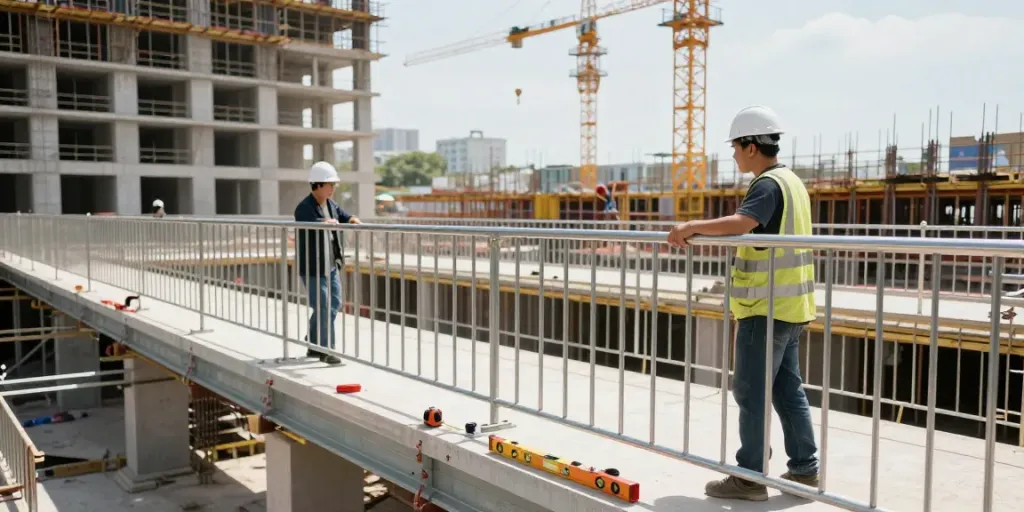
Safety railings are a critical component of construction site safety, serving as protective barriers designed to prevent falls and accidents. Their importance cannot be overstated, particularly in environments where the risk of falling from heights is prevalent. From elevated platforms to staircases, safety railings provide essential support and security for workers, clients, and visitors alike. When exploring options, Safety railings play a vital role in ensuring compliance with safety regulations and enhancing the overall safety culture of a worksite.
What Are Safety Railings?
Safety railings are typically constructed from durable materials like steel, aluminum, or even wood, designed to create a sturdy barrier around elevated areas or hazardous zones. This construction helps mitigate risks associated with falls. Railings can be temporary, meant for short-term projects, or permanent installations designed for long-term use in commercial and residential buildings. Their design often includes features such as handrails, mid-rails, and toe boards, all of which contribute to their overall effectiveness in preventing accidents.
The Importance of Safety Railings on Job Sites
The implementation of safety railings in construction and industrial settings is not just a matter of best practices; it is a fundamental legal requirement aimed at protecting workers. Fall-related accidents are among the leading causes of work-related injuries, making the presence of safety railings crucial. By providing a physical barrier, these railings minimize the risk of falls, thereby reducing injury claims and maintaining compliance with health and safety regulations.
Legal Requirements and Compliance
Different countries and regions have specific regulations that outline the requirements for safety railings. In the United States, the Occupational Safety and Health Administration (OSHA) sets forth standards requiring guardrails on all open sides and edges of floor openings and platforms. Understanding these regulatory frameworks is essential for contractors and construction managers to ensure adherence to safety legislation while fostering a secure work environment.
Types of Safety Railings and Their Applications
Safety railings can be categorized into various types based on their use case, either as temporary or permanent solutions, ensuring that the right type is chosen to fit the specific needs of a project.
Temporary vs. Permanent Safety Railings
Temporary safety railings are ideal for construction sites where work is ongoing, providing a quick and effective solution to fall hazards during the project's duration. These railings are usually lightweight and easy to install and remove. On the other hand, permanent railings are designed for long-term use, often made from sturdier materials and incorporated into the building’s infrastructure. The choice between temporary and permanent railings depends on project duration, site conditions, and budget.
Materials Used in Safety Railings: Pros and Cons
Various materials are utilized in the fabrication of safety railings, each with distinct advantages and disadvantages:
- Steel: Highly durable and strong, ideal for permanent installations but can be prone to rusting if not adequately coated.
- Aluminum: Lightweight, corrosion-resistant, and easy to install, making it suitable for both temporary and permanent railings.
- Wood: Aesthetic appeal for residential applications but less durable and requires more maintenance compared to metal options.
Cost Considerations for Different Safety Railings
The cost of safety railings varies significantly based on material choice, design complexity, and installation requirements. Temporary railings are often less expensive and can save costs on short-term projects, while permanent railings may involve higher initial investments but offer longevity and durability, ultimately reducing replacement costs over time.
Implementing Safety Railings Effectively
To maximize the safety benefits of railings, proper implementation practices must be followed, ensuring that they are installed correctly and maintained over the project’s lifespan.
Best Practices for Installation
When installing safety railings, follow these best practices:
- Ensure proper height and spacing according to regulatory standards.
- Use high-quality materials to guarantee durability and strength.
- Employ trained professionals for installation to ensure adherence to safety standards.
Regular Maintenance and Inspections for Safety
Once installed, safety railings require ongoing maintenance and inspections to remain effective. Routine checks can identify wear and tear, especially in harsh environments, and prevent accidents due to weakened structures.
Training Workers on the Use of Safety Railings
An often-overlooked aspect of safety railing implementation is worker training. Educating employees on the importance of using safety railings and proper procedures for working near elevated areas ensures that they are engaged and aware of their surroundings, reducing the likelihood of accidents.
Real-World Examples and Case Studies
Real-world examples highlight the effectiveness of safety railings in reducing accidents and ensuring compliance with safety regulations. Many construction companies have reported decreased injury rates after implementing comprehensive railing systems on their job sites.
Successful Implementation Stories
One notable case involved a high-rise construction project where state-of-the-art safety railings were installed around all open edges. This proactive approach led to zero fall-related incidents during the construction phase, demonstrating the importance of investing in quality safety measures.
Lessons Learned from Safety Railings Failures
On the contrary, projects that skimped on safety railings often faced severe consequences. In one case, a construction site reported multiple injuries due to improperly installed railings, underscoring the critical importance of adherence to safety regulations and quality standards.
Comparative Analysis of Safety Railings Across Different Projects
Through comparative analysis, it's clear that projects with well-implemented safety railing systems exhibited better safety records than those that did not prioritize them. This reinforces the idea that investing in quality safety railings is not just compliance but a commitment to the welfare of workers.
Future Trends in Safety Railings: Looking Towards 2026
As the construction industry evolves, so too do the materials and technologies used in safety railings.
Innovative Materials and Technologies
Emerging materials and technologies are set to revolutionize safety railings. Companies are exploring new composites that are lightweight yet strong, making installation easier while enhancing safety. Additionally, incorporating smart technologies into railings—such as sensors that alert when a railing is compromised—could be a game-changer in site safety.
Predictions for Safety Regulation Changes
As worksite safety becomes increasingly scrutinized, it's likely that regulations will continue to tighten. Anticipating these changes and adapting safety strategies will be essential for contractors to remain compliant and protect their workforce.
How Safety Railings Will Evolve with Construction Practices
With the rise of modular construction and off-site building practices, safety railings will also adapt. New methods may lead to innovative railing designs that are easier to transport and install, enhancing the safety landscape of future construction projects.
What are the OSHA requirements for railings?
According to OSHA standards, railings must be at least 42 inches above walking-working surfaces and capable of withstanding a force of at least 200 pounds applied outward or downward. Understanding these requirements is crucial for compliance and worker safety.
What type of handrail is best for seniors?
For seniors, handrails must be sturdy and ergonomically designed for comfort. Many accessibility standards recommend continuous handrails that are easy to grip and are mounted at a height that can be easily reached.
What can I use instead of a handrail?
While handrails are essential for safety, alternatives can include grab bars or safety chains in scenarios where conventional handrails may not be feasible. These options should still provide adequate support to prevent falls.
How tall do safety railings need to be?
Safety railings should generally be a minimum of 42 inches in height, as specified by safety regulations. This height ensures effective protection against falls from elevated surfaces.