
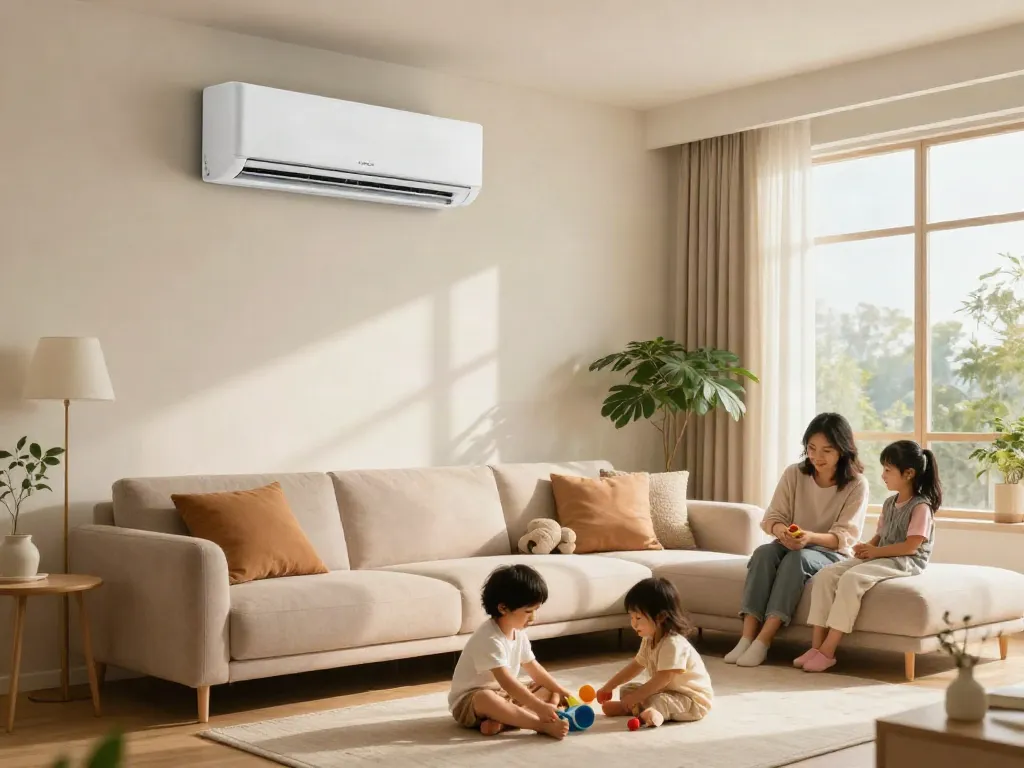
Understanding the Mini Split Air Conditioner Basics
As modern climate control solutions become increasingly popular, the mini split air conditioner stands out as a versatile and efficient option for residential and commercial settings. Known for their compact design and ability to provide both heating and cooling, these systems cater to a variety of comfort needs. When exploring options, mini split air conditioner offer comprehensive insights into how they can enhance indoor environments.
What is a Mini Split Air Conditioner?
A mini split air conditioner, often referred to as a ductless system, consists of two main components: an indoor unit and an outdoor compressor. Unlike traditional air conditioning systems that utilize ductwork, mini splits operate on a refrigerant-based system, allowing for direct cooling and heating of specific spaces. This unique configuration makes them particularly suitable for homes without pre-existing duct systems or for extensions where traditional HVAC installations may not be feasible.
Key Components of Mini Split Systems
Understanding the components of mini split systems is essential for effectively utilizing and maintaining them. The primary parts include:
- Indoor Unit: This unit is installed inside the living space and is responsible for dispersing conditioned air. It typically includes features such as a fan and an air filter.
- Outdoor Unit: Equipped with a compressor and a condenser, the outdoor unit is responsible for releasing heat extracted from the indoor air.
- Refrigerant Lines: These are insulated pipes that connect the indoor and outdoor units, allowing for the transportation of refrigerant between them.
- Remote Control: Many mini splits come with a remote control for convenient temperature adjustments without needing to access the unit directly.
Benefits of Using a Mini Split Air Conditioner
Mini split air conditioners offer a host of benefits that make them an attractive option for many homeowners and businesses. Some of these advantages include:
- Energy Efficiency: Due to their ductless design, mini splits eliminate energy loss associated with ductwork, resulting in lower energy bills.
- Zone Control: Individual units can be controlled separately, allowing for tailored temperature settings in different areas of a building.
- Easy Installation: The minimal ductwork required for installation often results in a quicker setup process compared to traditional HVAC systems.
- Environmentally Friendly: Many models are designed with energy-efficient technologies, reducing overall carbon footprints.
Choosing the Right Mini Split Air Conditioner
Selecting the right mini split air conditioner requires careful consideration of various factors to ensure optimal performance and efficiency. Understanding your specific needs and the features available on the market is crucial.
Factors to Consider When Selecting a Model
When choosing a mini split air conditioner, keep the following factors in mind:
- Cooling and Heating Capacity: Measured in BTUs (British Thermal Units), the unit's capacity should match the size of the space being conditioned.
- Energy Efficiency Ratio (EER): Higher EER ratings indicate greater energy efficiency, leading to lower operational costs.
- Noise Levels: Check the decibel rating of the indoor unit to ensure it operates quietly, especially if it will be installed in living or working areas.
- Brand Reputation: Opt for manufacturers known for quality and reliability to ensure you invest in a durable and effective system.
How to Size a Mini Split for Your Space
Properly sizing a mini split air conditioner is essential for achieving optimal comfort and efficiency. Here’s a simple guide on how to determine the right size:
- Measure the square footage of the room you wish to cool or heat.
- Determine the necessary BTU rating using the following general guidelines:
- Consider additional factors, such as ceiling height, insulation quality, and the number of windows, which can affect cooling and heating needs.
Top Features to Look for in 2026 Models
As technology evolves, new features in mini split air conditioners enhance their functionality. In 2026, consider looking for models with:
- Smart Technology: Wi-Fi enabled units allow for remote control and programming through smartphone applications.
- Inverter Technology: This feature enables the compressor to adjust its speed, providing more consistent temperatures and further reducing energy consumption.
- Air Purification Systems: Integrated filters can help improve indoor air quality by reducing allergens and pollutants.
Installation Insights for Mini Split Air Conditioners
Successful installation of a mini split air conditioner is vital for its performance and durability. Understanding the options available for installation can help you make informed decisions.
DIY vs. Professional Installation: Pros and Cons
When it comes to installing a mini split air conditioner, homeowners often face the choice between DIY and hiring a professional. Here are the pros and cons of each:
- DIY Installation:
- Professional Installation:
Step-by-Step Guide to Install Your Mini Split
If you choose to install your mini split air conditioner yourself, follow these steps:
- Choose the optimal location for both the indoor and outdoor units.
- Install the mounting bracket for the indoor unit and ensure it is level.
- Drill a hole to connect the refrigerant lines and the drain line, ensuring proper drainage.
- Connect the lines and wiring between the indoor and outdoor units as per the manufacturer's instructions.
- Secure the outdoor unit on a stable, level surface, allowing for proper airflow.
- Test the system to ensure proper functionality before sealing any openings.
Common Installation Mistakes to Avoid
To ensure your mini split operates efficiently, avoid these common mistakes during installation:
- Improperly sizing the unit for the space.
- Neglecting to properly insulate refrigerant lines.
- Failing to check local building codes or regulations.
- Overlooking the need for adequate drainage for condensate.
Maintenance Tips for Longevity and Efficiency
Regular maintenance is key to ensuring your mini split air conditioner provides reliable performance over its lifespan. Here are essential maintenance tips:
Routine Maintenance Tasks for Mini Splits
Implement these tasks to keep your system running smoothly:
- Clean or replace air filters every 1-3 months to improve airflow and efficiency.
- Inspect and clean the coils on both indoor and outdoor units annually.
- Check for any visible signs of refrigerant leaks and address them immediately.
- Ensure that the drainage system is clear and functional to prevent water accumulation.
Signs Your Mini Split Needs Repair
Be vigilant for the following signs, which may indicate that your mini split requires repairs:
- Inconsistent cooling or heating performance.
- Unusual noises during operation.
- Increased energy bills without changes in usage.
- Foul odors emanating from the indoor unit.
Tips for Enhancing Energy Efficiency
To maximize energy efficiency and minimize costs, consider these tips:
- Utilize programmable settings or smart technology for automated temperature control.
- Seal any gaps around the installation area to prevent air leaks.
- Utilize curtains or blinds to block heat gain during peak sunlight hours.
Future Trends in Mini Split Air Conditioning
The future of mini split air conditioning is poised to embrace technological advancements and sustainability practices that enhance user experience and environmental responsibility.
Innovative Technologies to Watch in 2026
As the industry evolves, stay alert for emerging technologies that could revolutionize mini split systems:
- Enhanced Smart Features: Future models will likely incorporate advanced IoT capabilities for better energy management and user convenience.
- Variable Refrigerant Flow (VRF): This innovative technology allows for multiple indoor units to connect to a single outdoor unit, increasing flexibility for larger spaces.
Sustainability Practices in Mini Split Manufacturing
Environmental concerns are pushing manufacturers to adopt more sustainable practices. Look for:
- Use of eco-friendly refrigerants with lower global warming potential.
- Increased focus on energy-efficient designs to reduce the carbon footprint of production.
Expert Predictions for the Mini Split Market
Industry experts anticipate that the mini split market will grow substantially in the coming years, driven by the demand for energy-efficient solutions and the rise of smart technologies. Consumers are increasingly opting for systems that not only provide comfort but also align with sustainability goals.
What are the disadvantages of a mini split?
While mini split air conditioners are widely praised for their efficiency and versatility, some disadvantages include:
- Higher initial costs compared to traditional systems.
- Potential for aesthetic concerns with indoor unit placement.
- Regular maintenance requirements that can be more involved than window units.
Is a mini split air conditioner worth it?
For many consumers, the benefits of mini split air conditioners, such as energy efficiency, versatility, and zonal control, outweigh the costs. They are particularly valuable in homes without existing ductwork or in multi-room settings where different temperatures are desired.
How much is a mini split for a 1000 sq ft house?
The cost to install a mini split system in a 1,000 sq ft home can vary widely based on factors like brand, capacity, and installation complexity. On average, homeowners can expect to pay between $3,000 to $7,000, including both equipment and labor costs.
What maintenance does a mini split require?
Maintenance typically includes regular filter cleaning, checking refrigerant levels, cleaning coils, and ensuring the drainage system functions correctly. Annual professional check-ups can also help identify potential issues before they escalate.
Can a mini split air conditioner heat a room?
Yes, many mini split air conditioners are equipped with heat pump technology, allowing them to provide efficient heating in addition to cooling. This dual functionality makes them an excellent year-round climate control solution.