Understanding Automatic Bagging Machines
Automatic bagging machines have transformed the packaging industry, offering streamlined solutions that not only enhance efficiency but also ensure precision in operations. These machines, designed to automate the bagging process, have become indispensable for manufacturers across various sectors, including food, pharmaceuticals, and consumer goods. With advancements in technology, companies like Durzerd Machine have been at the forefront of developing innovative packaging solutions that cater to diverse needs.
When exploring options, automatic bagging machine manufacturers provide comprehensive insights into how these systems can optimize production lines. They emphasize the significance of features such as automatic bag placement, filling, and sealing, which together enhance the speed and reduce the potential for human error in packaging operations.
What Are Automatic Bagging Machines?
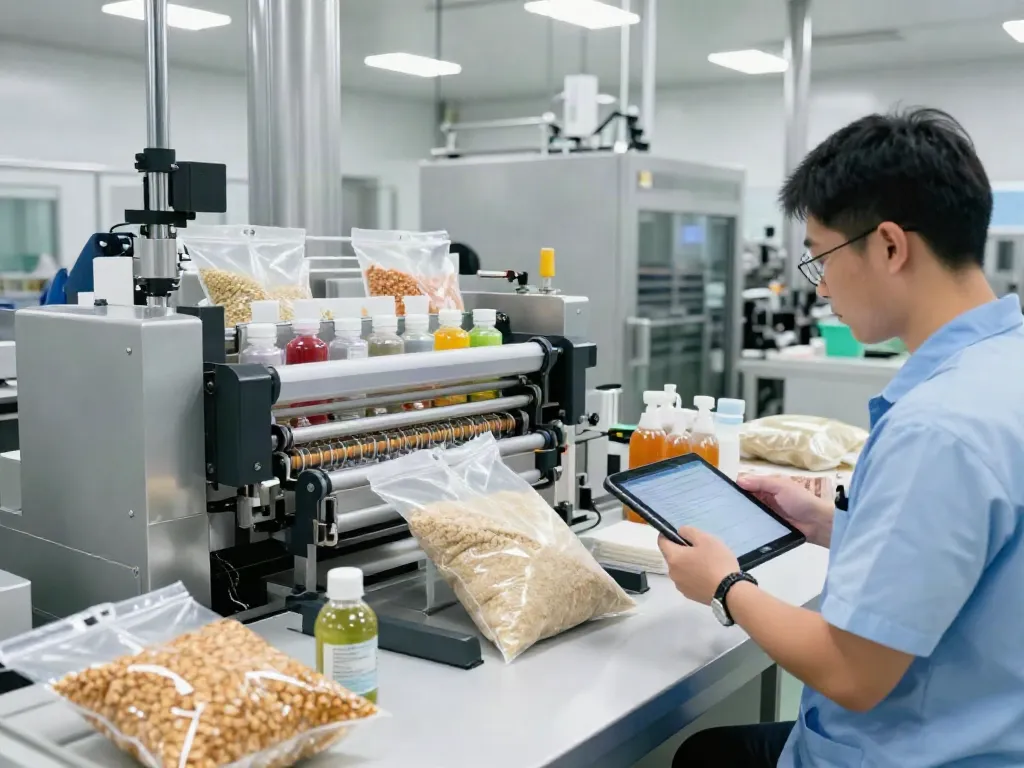
Automatic bagging machines are specialized equipment designed to package products efficiently in various types of bags. These machines can handle different materials, including plastic, paper, and biodegradable options, making them suitable for a wide range of applications. They perform multiple functions, including:
- Bag forming: Creating bags from rolls of material.
- Filling: Distributing the correct amount of product into the bag.
- Sealing: Closing the bag securely to prevent spillage.
- Labeling: Applying necessary labels to bags for identification.
The integration of these functions into one machine minimizes the need for manual labor, reduces waste, and significantly speeds up the packaging process.
Key Features of Modern Bagging Machines
Modern automatic bagging machines come equipped with various features that enhance their functionality:
- Precision filling: Advanced sensors ensure the accurate filling of bags, maintaining consistency in product quantity.
- User-friendly interfaces: Touchscreen controls and intuitive software make operation simple and efficient.
- Customizable settings: Adjustments can be made for different bag sizes and product types, ensuring versatility.
- Robust Safety Features: Emergency stop buttons and protective enclosures enhance operator safety.
These features not only streamline the packaging process but also contribute to long-term durability and reliability, reducing maintenance costs.
Advantages of Automation in Packaging
Implementing automatic bagging machines offers numerous advantages, including:
- Increased speed: Automation significantly reduces the time taken to package products, leading to higher output.
- Consistency: Automated systems deliver uniform results, reducing variations caused by human error.
- Cost savings: By minimizing labor costs and material waste, businesses can enjoy substantial savings in the long run.
- Enhanced quality control: Automated systems often incorporate advanced monitoring tools to detect and resolve issues swiftly.
These benefits make automatic bagging machines a worthwhile investment for companies aiming to elevate their packaging processes.
Top Automatic Bagging Machine Manufacturers in 2026
The automatic bagging machine market is teeming with manufacturers that are consistently innovating to provide better solutions. Key players are making significant strides in technology and customer service, positioning themselves as leaders in the industry.
Leading Players in the Industry
Some of the most prominent manufacturers include:
- Durzerd Machine: Known for high-quality designs and tailored solutions since 2005.
- Pregis: They focus on automated mailing and bagging solutions for e-commerce.
- AUTOBAG: Offers a variety of bagging systems that cater to diverse packaging needs.
- Rollbag: Specializes in paper and poly mailer bagging applications, providing versatile options.
These companies not only provide products but also offer comprehensive support and consultation services to help clients optimize their packaging lines.
Innovative Technologies from Top Brands
Leading manufacturers are continuously investing in research and development to integrate innovative technologies such as:
- AI and machine learning: For predictive maintenance and optimization of packaging speed.
- IoT connectivity: Enabling real-time monitoring and analytics on production lines.
- Smart sensors: Ensuring precise filling and sealing, adapting quickly to different product sizes.
These advancements contribute to higher efficiency and enhance the overall performance of automatic bagging machines.
Comparative Analysis of Market Leaders
When comparing automatic bagging machine manufacturers, it is crucial to assess their offerings based on key performance indicators such as:
- Machine efficiency and speed.
- After-sales support and service availability.
- Customization capabilities for specific industries.
- Price-performance ratio.
Market leaders like Durzerd Machine excel in providing robust solutions tailored to their clients' diverse needs, offering a blend of performance and reliability that can significantly enhance production efficiency.
Choosing the Right Automatic Bagging Machine
Choosing the right automatic bagging machine is a critical decision that can affect your operational efficiency and product quality. A thorough assessment of your unique packaging needs is vital.
Assessing Your Packaging Needs
Before investing in an automatic bagging machine, consider the following factors:
- Product type: Are you packaging dry goods, liquids, or powders? Each type requires different handling processes.
- Bag size: Determine the range of bag sizes needed for your products.
- Production volume: Assess the required output to select a machine that meets your production needs.
- Space constraints: Ensure that the machine fits comfortably within your production environment.
Taking these factors into account will help you narrow down your options and select a machine that truly fits your requirements.
Factors to Consider When Selecting a Machine
Besides assessing your packaging needs, consider the following factors when selecting a machine:
- Durability: Look for machines made with high-quality materials that can withstand heavy usage.
- Ease of use: The machine should have a user-friendly interface to minimize training time.
- Maintenance requirements: Evaluate the ease of maintenance and availability of spare parts.
- Return on investment: Consider how quickly the machine can pay for itself through efficiency gains.
By examining these aspects, you can make a more informed decision when selecting your automatic bagging machine.
Cost vs. Benefit Analysis of Different Manufacturers
Conducting a thorough cost-benefit analysis can help businesses determine which manufacturers offer the best value. When comparing options, consider:
- Initial costs: Assess the upfront investment required for each machine.
- Long-term savings: Calculate potential savings from reduced labor and material waste over time.
- Warranty and service agreements: Look for manufacturers that offer valuable service agreements and warranties.
Understanding these factors can lead you to a manufacturer whose machines will provide optimal performance and long-term savings.
Challenges and Solutions in Automatic Bagging
Implementing automatic bagging systems can come with challenges that manufacturers must navigate to maximize their effectiveness.
Common Issues with Bagging Machinery
Some of the frequent challenges faced by businesses include:
- Jamming: Bags may jam during operation if not properly aligned or if the product is not uniform in size.
- Seal integrity: Poor seals can result in product spillage and contamination, impacting product quality.
- Software glitches: Technical issues with the operating software can halt production lines.
Identifying these potential issues early can help businesses put preventive measures in place.
Best Practices for Maintenance and Troubleshooting
Regular maintenance and proper troubleshooting procedures can mitigate many of these challenges:
- Routine inspections: Schedule regular checks to ensure all components are functioning correctly.
- Employee training: Provide comprehensive training so operators can identify and resolve common issues.
- Software updates: Keep software updated to prevent glitches and enhance functionality.
These best practices help ensure the longevity and reliability of your automatic bagging machinery.
Case Studies of Successful Implementations
Real-world examples can illustrate the impact of automatic bagging machines on operations:
- Food Industry: A food packaging company implemented automatic bagging machines to handle perishable items, leading to a 30% increase in production speed and a significant reduction in labor costs.
- Consumer Goods: A cosmetic manufacturer integrated advanced bagging technology, which improved packaging accuracy and reduced wastage by 15%.
These case studies exemplify how businesses can significantly benefit from investing in automatic bagging solutions.
The Future of Automatic Bagging Machines
The landscape of packaging technology is continuously evolving, with innovations shaping the future of automatic bagging machines.
Emerging Trends in Packaging Technology
Several trends are beginning to emerge that will influence the future of automatic bagging:
- Smart packaging: Using sensors to track inventory and product freshness.
- Sustainability: Increased demand for eco-friendly materials and processes in the packaging industry.
- Robotics: Enhanced automation through advanced robotics for greater efficiency and flexibility.
These trends indicate that the future of automatic bagging technology will focus on improved efficiency and sustainability.
Future Innovations to Watch in 2026
As we look toward 2026, several exciting innovations are on the horizon:
- AI-driven analytics: Tools that optimize packaging processes based on real-time data.
- Modular machine design: Machines that can be easily reconfigured for different products and bag sizes.
- Enhanced user interfaces: More intuitive controls that streamline operations and reduce training time.
These innovations promise to transform how automatic bagging machines operate, enhancing productivity and product quality.
Sustainability and Eco-Friendly Practices in Bagging
With growing environmental concerns, manufacturers are focusing on sustainable practices, such as:
- Using biodegradable or recyclable materials for bags.
- Implementing energy-efficient technologies in machine design.
- Reducing waste through optimized processes.
Adopting these eco-friendly practices is not only beneficial for the environment but also aligns with consumer preferences for sustainable products.
What Are the Benefits of Choosing Automatic Bagging Machines?
Investing in automatic bagging machines offers numerous benefits:
- Increased productivity: Automation significantly boosts throughput and reduces bottlenecks.
- Improved accuracy: Automated systems minimize human error, ensuring consistent product quality.
- Cost efficiency: Significant reductions in labor costs lead to overall savings for businesses.
These advantages make automatic bagging machines a strategic choice for manufacturers seeking growth.
How to Choose the Best Automatic Bagging Machine?
To select the best automatic bagging machine, consider the following steps:
- Conduct a needs assessment to identify specific requirements.
- Research different manufacturers and their offerings.
- Request demonstrations to evaluate machine performance.
- Compare warranties, support, and service agreements.
Following these steps will help you make an informed choice that meets your production goals.
What Are the Key Features of High-Quality Bagging Machines?
High-quality bagging machines should incorporate:
- Durable construction for longevity.
- Advanced technological features for ease of operation.
- Comprehensive safety measures for operator protection.
These features enhance reliability and effectiveness in packaging operations.
What Issues Should You Anticipate with Automatic Bagging Machines?
Be prepared for potential challenges, such as:
- Technical malfunctions due to misuse or lack of maintenance.
- Difficulty obtaining spare parts for older models.
- Adjusting to changes in production volume and product types.
Understanding these issues in advance can help mitigate risks and enhance operational success.
How Do Automatic Bagging Machines Improve Efficiency?
Automatic bagging machines streamline the packaging process, resulting in:
- Faster turnaround times due to reduced manual interventions.
- Higher output with consistent quality, leading to greater customer satisfaction.
- Lower operational costs through minimized waste and optimized processes.
These efficiencies are essential for maintaining competitiveness in today's fast-paced market.