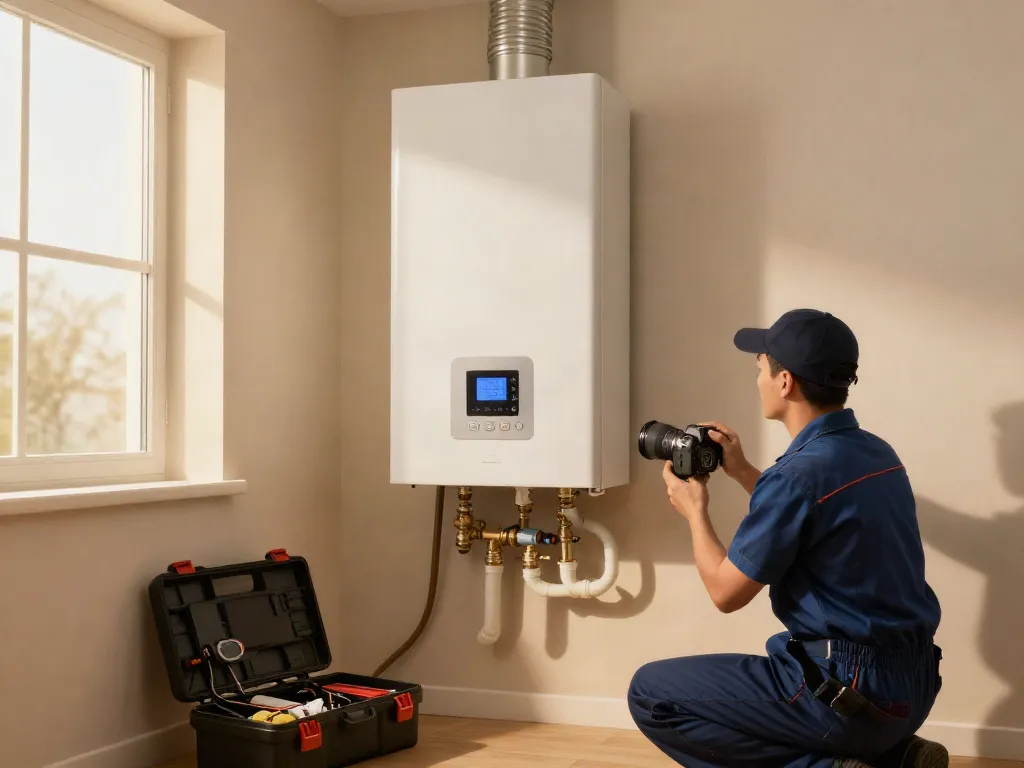
Understanding Boiler Replacement Quotes in Ireland
When embarking on a boiler replacement project, understanding the intricacies involved in obtaining accurate quotes is essential for homeowners in Ireland. A boiler replacement is not merely about selecting a new appliance; it involves assessing your existing heating system, evaluating various options, and understanding the costs associated with each choice. This comprehensive guide aims to equip you with the knowledge to make informed decisions, ensuring you receive accurate boiler replacement quotes Ireland that reflect your needs and budget.
What Are Boiler Replacement Quotes?
Boiler replacement quotes are estimates provided by contractors detailing the costs and services associated with replacing your heating system. These quotes typically include the price of the new boiler, installation charges, additional components required, and any associated work necessary for proper installation. The goal is to give you a clear picture of the financial implications of your boiler replacement so you can budget accordingly.
Key Factors Influencing Boiler Replacement Costs
Several factors can impact the cost of replacing a boiler in Ireland, including:
- Type of Boiler: The choice between gas, oil, or electric boilers significantly affects the total cost.
- System Complexity: The complexity of your existing heating system and the need for additional components can raise costs.
- Installation Location: If the boiler needs to be relocated, this could add to the installation costs.
- Additional Works: Tasks such as system cleaning, upgrading controls, or installing new radiators can influence the overall price.
Common Types of Boilers and Their Costs
When considering a boiler replacement, it’s important to understand the different types of boilers available in the market:
- Combi Boilers: These are popular for their compact size and efficiency. Prices typically range from €2,000 to €4,500, including installation.
- System Boilers: Best suited for larger homes, system boilers can range from €2,500 to €5,000 installed.
- Regular Boilers: Generally used in homes with an older heating system, these can cost between €2,000 and €4,000, depending on various factors.
Defining Your Boiler Replacement Needs
A successful boiler replacement starts with a clear understanding of your current system and specific requirements. This entails a detailed assessment of your existing heating setup and an identification of what you need from your new boiler.
Assessing Your Current Heating System
Take a close look at your existing system. Identify whether your current boiler runs on gas or oil, and understand its role in your heating and hot water supply. Document any issues you're currently facing, such as irregular heating or water supply problems, as this information will be vital for contractors providing you with quotes.
Identifying Replacement Options: Gas vs Oil
Choosing between gas and oil boilers is a significant decision that impacts not only the cost of the boiler itself but also its operation and maintenance in the long run. Gas boilers tend to be more efficient and generally cheaper to run, while oil boilers may be necessary in areas without a gas supply. Understanding the pros and cons of each option will help you articulate your preferences when requesting quotes.
Best Practices for Requesting Accurate Quotes
To ensure you receive accurate and competitive quotes, follow these best practices:
- Provide Complete Information: Outline your current boiler type, heating arrangements, and any issues you’re facing.
- Specify Your Preferences: If you want to maintain your current heating system or consider alternatives, make this clear.
- State Any Upgrades: If your home has had modifications, provide this information to help contractors understand your needs better.
Evaluating Boiler Replacement Quotes
Once you have gathered several quotes, it’s essential to evaluate them carefully to find the best deal that meets your requirements.
What to Look for in a Boiler Replacement Quote
When reviewing boiler replacement quotes, look for detailed breakdowns that clearly outline:
- The type and model of the boiler being proposed.
- The total cost inclusive of installation, parts, and any additional work required.
- A timeline for the project's completion.
- Warranties and service packages included in the offer.
Comparing Quotes from Different Contractors
When comparing quotes, ensure that you are making like-for-like comparisons. This means considering the same type of boiler and installation services across all quotes. Be cautious of quotes that appear significantly lower; they may cut corners on quality or service.
Understanding Inclusions and Exclusions in Proposals
Every quote should clearly specify what is included in the price and what might incur additional costs. Common exclusions might include:
- System cleaning and flushing.
- Upgrades to controls or radiators.
- Removal and disposal of the old boiler.
Common Questions About Boiler Replacements
As you navigate the process of replacing your boiler, you are likely to have many questions. Here are some commonly asked questions to guide you.
What Does the Boiler Replacement Process Involve?
Replacing a boiler typically involves several key steps, including:
- Assessment of your current system.
- Choosing the right boiler type based on your needs.
- Installation by a qualified professional.
- Final checks and commissioning of the new boiler.
Are There Grants Available for Boiler Replacement in Ireland?
Many homeowners may qualify for grants or funding assistance for upgrading to more efficient heating systems. However, it is essential to check current schemes and eligibility requirements as they can change over time. Consult with local authorities or service providers to understand what is available to you.
How Long Will My Heating Be Disrupted?
The duration of disruption during the boiler replacement process can vary depending on the complexity of the installation. Most standard replacements can be completed within a day, while more complex installations might take longer. Always ask your contractor for an estimated timeline ahead of time.
Future Trends in Boiler Technology and Replacement
The heating industry is evolving, and staying informed about future trends can significantly benefit your long-term planning and savings.
Emerging Technologies in Heating Solutions
Advancements in boiler technology are leading to more efficient and environmentally friendly options. Innovations such as condensing boilers, smart thermostats, and hybrid systems are becoming more common, offering homeowners better control over their energy consumption and a reduction in costs.
Environmental Considerations for New Boiler Installations
As environmental concerns grow, many homeowners are looking for greener alternatives. Heat pumps, biomasses, and solar thermal systems are becoming popular as they offer sustainable options to traditional heating methods. Understanding these alternatives can help you make an informed decision that aligns with your values and budget.
What to Expect in the Boiler Industry by 2026
The boiler industry is expected to see significant changes by 2026, with stricter regulations aimed at improving energy efficiency and reducing carbon emissions. Homeowners should prepare for developments that might influence the types of systems available and the incentives for upgrading to greener technologies.
How to Prepare for a Boiler Replacement?
Preparation for a boiler replacement can save you time and frustration. Here are some tips:
- Research and understand your options thoroughly.
- Document the current state of your heating system and any issues.
- Gather quotes from multiple contractors for comparison.
- Be aware of regulations and grant opportunities that may apply.